
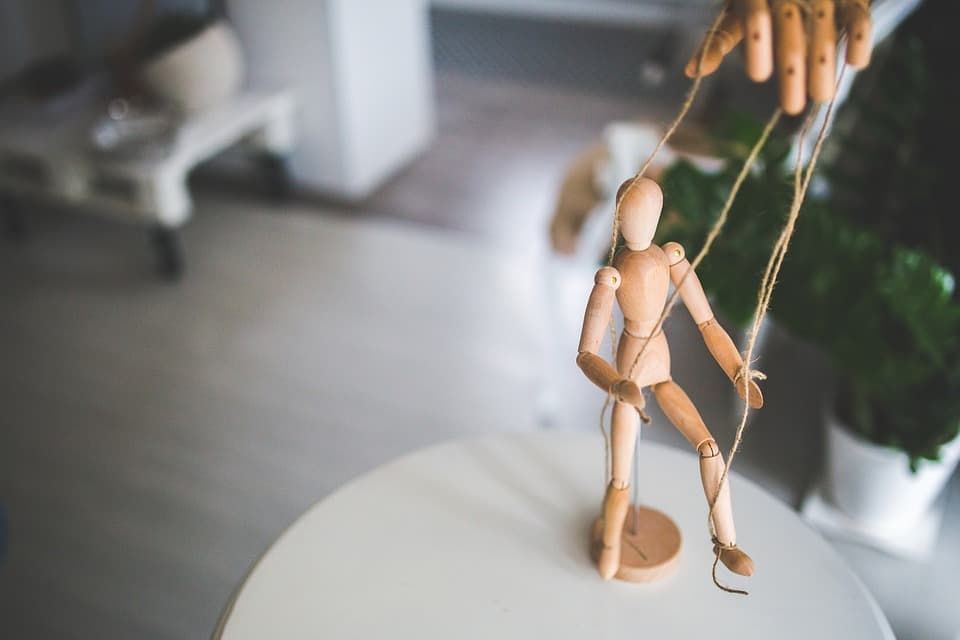
Anderen manipuleren kan onethisch klinken, maar wanneer het subtiel wordt gedaan, kan het een krachtig middel zijn in zaken, persoonlijke relaties en zelfs verkoop. De sleutel ligt in het begrijpen van psychologische triggers en menselijk gedrag. In dit artikel bespreken we 7 subtiele manipulatietechnieken die je kunnen helpen anderen te beïnvloeden, of je nu een deal onderhandelt, een presentatie geeft, of iemand simpelweg probeert te overtuigen om jouw kant van de zaak te zien.
Een voor de hand liggende veronderstelling
Het bestaat uit twee delen: Deel 1 - een boodschap die je moet overbrengen aan het onderbewustzijn. Deel 2 - het afleiden van de bewuste aandacht met interessante, maar niet erg belangrijke gebeurtenissen. Bijvoorbeeld: Als je dit artikel tot het einde toe leest, zul je begrijpen hoe je mensen gemakkelijk kunt manipuleren.
De regel van drie "Ja"
Het menselijk brein werkt zo dat het na een reeks kleine instemmingen steeds moeilijker wordt om nee te zeggen. Je hebt misschien gemerkt dat het makkelijker is om de eerste keer nee te zeggen, maar zodra je een paar keer hebt ingestemd, wordt nee zeggen steeds lastiger. Dit staat bekend als de 'Regel van Drie Ja'. Door iemand 3-4 keer te laten instemmen met kleine, niet-controversiële punten, is de kans veel groter dat die persoon later ook instemt met een groter verzoek. De instemming hoeft niet verbaal te zijn - het kan een simpel gebaar zijn, een knikje of zelfs stilte. Een verkoper zou bijvoorbeeld eerst kunnen vragen: 'Heeft u waarde aan kwaliteit in producten?', gevolgd door: 'Bent u het ermee eens dat goede kwaliteit uw ervaring verbetert?' Bij de derde vraag, 'Wilt u ons premium product proberen?', is de kans veel groter dat de verkoper een positief antwoord geeft.
Link woorden
Bepaalde woorden, bekend als "verbindingswoorden", worden gebruikt om ideeën met elkaar te verbinden en een gevoel van logische samenhang te creëren. Deze woorden — zoals "ja", "daarom" en "bovendien" — zitten zo diep verankerd in onze taal dat we ons er niet eens van bewust zijn dat ze ons denkproces sturen. Zinnen als "Omdat je ons product vertrouwt, zul je deze nieuwe functie nog waardevoller vinden" kunnen iemand er bijvoorbeeld toe brengen de waarde van iets te geloven zonder het in twijfel te trekken. De logica wordt subtiel op een natuurlijk aanvoelende manier opgebouwd, waardoor manipulatie moeilijk te herkennen is.
Een keuze zonder keuze
Dit is een zeer interessante variant van een voor de hand liggende veronderstelling. De persoon krijgt een keuze uit twee opties, maar ofwel is de ene optie onhaalbaar en de andere gunstig voor de aanbieder, ofwel zijn beide opties gunstig voor de aanbieder.
Een autoverkoper zou bijvoorbeeld kunnen vragen: "Heb je liever de rode of de blauwe auto?" Terwijl de klant denkt een keuze te hebben, zijn beide auto's identiek, en stuurt de verkoper hem subtiel richting een verkoop zonder werkelijk een echt alternatief te bieden.
Duidelijk, vanzelfsprekend, natuurlijk
Als de persoon deze woorden in zijn spraak gebruikt, klinken heel vaak zelfs zijn meest betwistbare uitspraken logischer. En hoe zelfverzekerder de persoon spreekt, hoe meer ons bewustzijn hem gelooft. Natuurlijk moet je dit artikel meerdere keren lezen. Waarom? Als we over deze uitspraak gaan nadenken, zal ons brein ons verschillende antwoorden geven. Bijvoorbeeld om de informatie beter te begrijpen of voor het geval u iets vergeten bent en de tips moet opfrissen...
Nog een voorbeeld: wanneer iemand zegt "Deze oplossing is duidelijk de beste", suggereert diegene subtiel dat er geen ruimte is voor twijfel. Dit creëert een automatische neiging om het met de spreker eens te zijn, zelfs als het argument zelf zwak of onovertuigend is.
Een onvoltooide actie
Een onafgemaakte actie maakt gebruik van menselijke nieuwsgierigheid, een krachtige psychologische trigger. Onze hersenen zoeken van nature naar afsluiting, en wanneer iets onvoltooid blijft, voelen we de drang om het op te lossen. Tv-series en films maken hier vaak gebruik van — het beëindigen van een aflevering op een spannend moment zorgt ervoor dat kijkers terugkomen voor het volgende deel. Hetzelfde principe werkt in een gesprek of reclame. Een spreker zou bijvoorbeeld kunnen zeggen: "En er is nog één ding dat ik met jullie wil delen, maar dat vertel ik hierna…" De spanning die zo ontstaat, houdt mensen betrokken en nieuwsgierig naar wat er verder gebeurt.
Het aantal herhalingen
Herhaling is een essentieel element van menselijk leren en geheugen. Als je ooit in een gesprek hebt gezeten waarin iemand herhaaldelijk een punt benadrukte, komt dat doordat herhaling de kans vergroot dat informatie blijft hangen. Een marketeer zou bijvoorbeeld de belangrijkste voordelen van een product meerdere keren kunnen herhalen in een advertentie, om ervoor te zorgen dat de boodschap gedenkwaardig en overtuigend blijft.
Manipulatie of discipline
Als we het over de kantooromgeving hebben, is manipulatie misschien niet de beste optie om werknemers iets te laten doen of op hun best te laten presteren. Werkdiscipline garandeert dat alle deadlines worden gehaald en de prestaties hoog blijven. Er zijn verschillende manieren om werkdiscipline en productiviteit te behouden, bijvoorbeeld bonussen, maar de meest effectieve is toezicht op het werk van de werknemers. Wekelijks of maandelijks de prestaties van de werknemers bijhouden en tijdig feedback geven zal het bedrijf op lange termijn veel meer voordeel opleveren dan manipulaties.