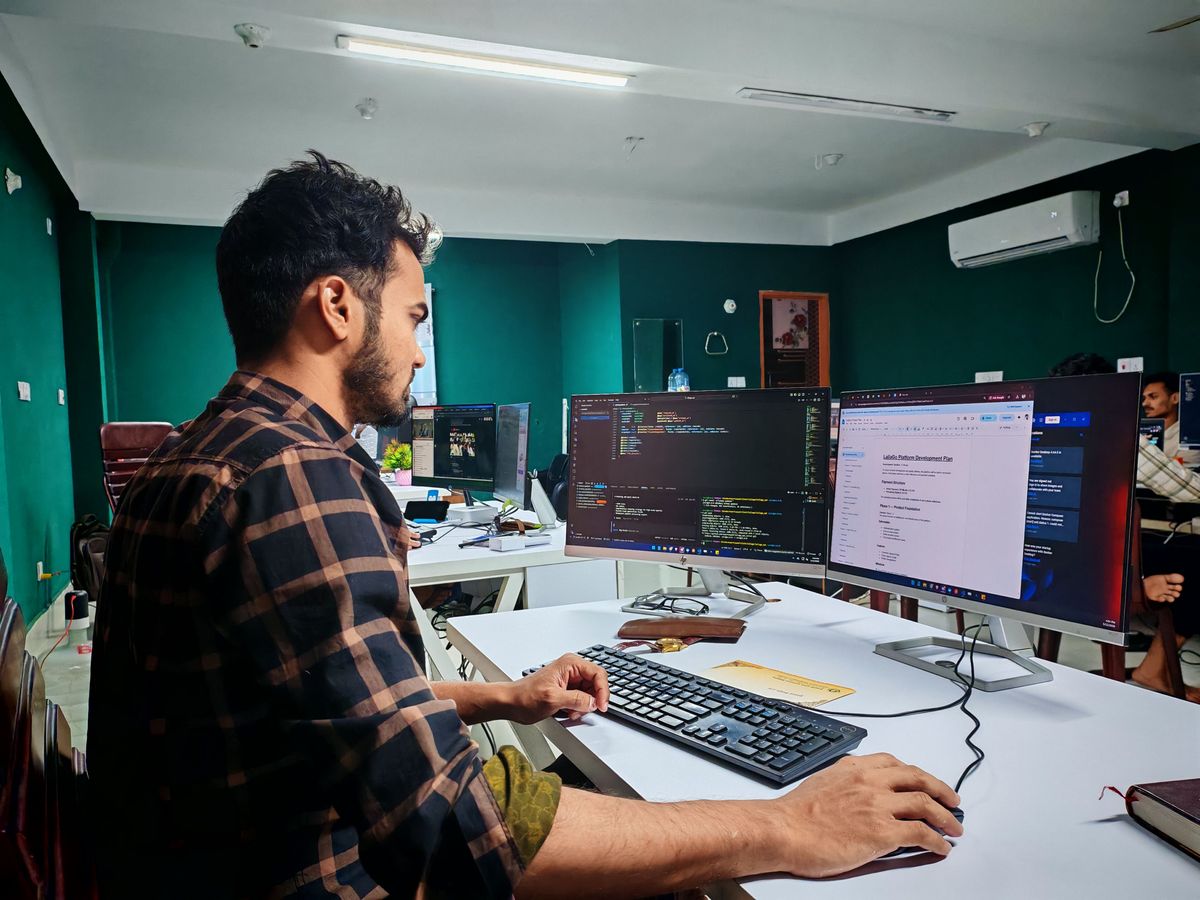

Laying the Foundation for a Strong Remote Team
Establishing Clear Goals and Objectives for Remote Work
Defining Roles and Responsibilities to Enhance Team Structure
Embracing Diverse Cultural Backgrounds for a Global Workforce
Regular Check-ins: Frequent virtual meetings and check-ins ensure ongoing communication and help in addressing any issues promptly. Employing strategies like “camera optional” meetings can reduce video fatigue.
Cultural Sensitivity Training: Providing training on cultural sensitivity and diversity can enhance team cohesion and understanding, especially important in a multinational context.
Flexible Scheduling: Adopting flexible work schedules that consider different time zones helps maintain a balance and ensures productivity without overburdening any team member.
Continuous Learning and Adaptation: Being open to learning and adapting strategies is key. It includes being open to feedback from the team on what's working and what's not.
Performance Management in a Remote Environment
Employee Monitoring Software as a Tool for Remote Management
Real-Time Screen Monitoring: Enables managers to see live feeds of employee screens, ensuring real-time awareness of ongoing activities.
Activity Tracking: Tracks applications used, text typed or copied, and physical location, providing a comprehensive view of work habits and efficiency.
Internet Control: Monitors internet usage and allows blocking of unproductive websites, enhancing focus and reducing distractions.