Yet another essential aspect to be mentioned is the practices regarding hiring influencers.
Influencers and cancellation culture
Influencers are famous \"digital personalities\", sometimes with audiences in the millions and, therefore, highly impactful in relation to public opinions of the company.
Of course, it is impossible to talk about influencers without talking about cancel culture.
Cancel culture is a social phenomenon where a person or group is the target of public criticism and rejection because of a statement or action that is deemed offensive or unacceptable. This culture has developed mainly on social networks, where users have a platform to express their opinions and to call attention to behavior that is considered inappropriate.
Cancel culture often focuses on influential people, celebrities, public figures, and companies, who are subjected to significant pressure from social media and the general public. The aim is to hold these people or entities accountable for behavior that is considered offensive or harmful and, in some cases, require them to apologize or change their behavior.
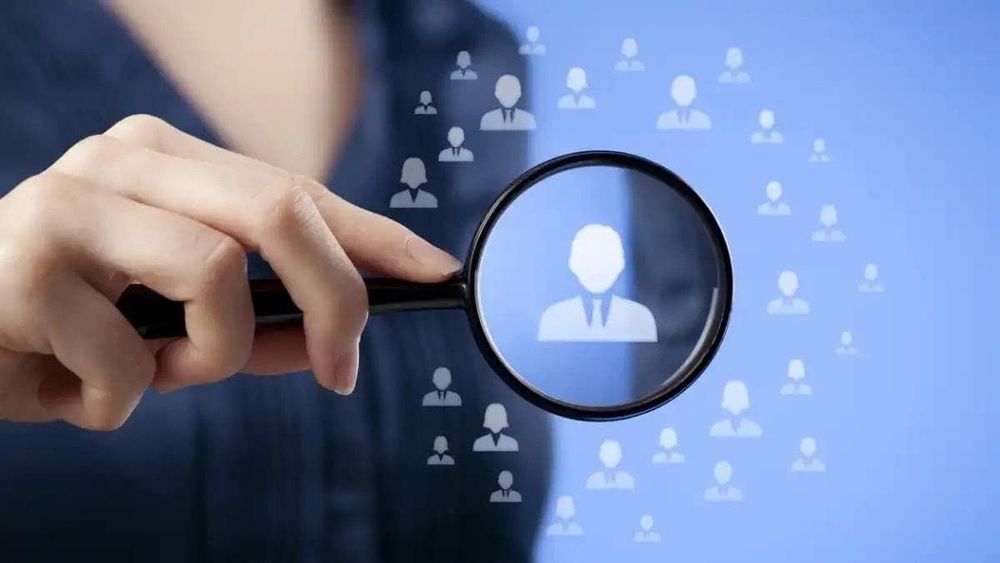
Therefore, the employer should always try to detect any influencers among employees, as well as their niches and the size of their audience. With the proper approach, this work can not only prevent possible there are problems but also benefit the company. The influencing employee can share their audience with the company, bringing in new customers.
So, what's the answer? To monitor or not to monitor?
In conclusion, employee social media tracking can be a valuable tool for employers, but it is not without its potential drawbacks. Employers need to balance the need for necessary monitoring with their employees' privacy rights and ensure that their monitoring policies are transparent and consistent with the company's overall culture and values.
If your company is considering implementing social media monitoring policies, you should engage in open and honest communication with your employees and be willing to make changes based on the feedback they provide.
By doing this, you can ensure that your monitoring policies are effective and well-received by your employees. It is up to each company to determine whether or not social media monitoring is necessary, based on their specific needs and circumstances.
Still, by following best practices and being transparent with their employees, employers can use social media monitoring as a valuable tool to protect their company's reputation and operations. Just balance both sides.