
New Jersey Employee Monitoring Software: Data Security and Compliance
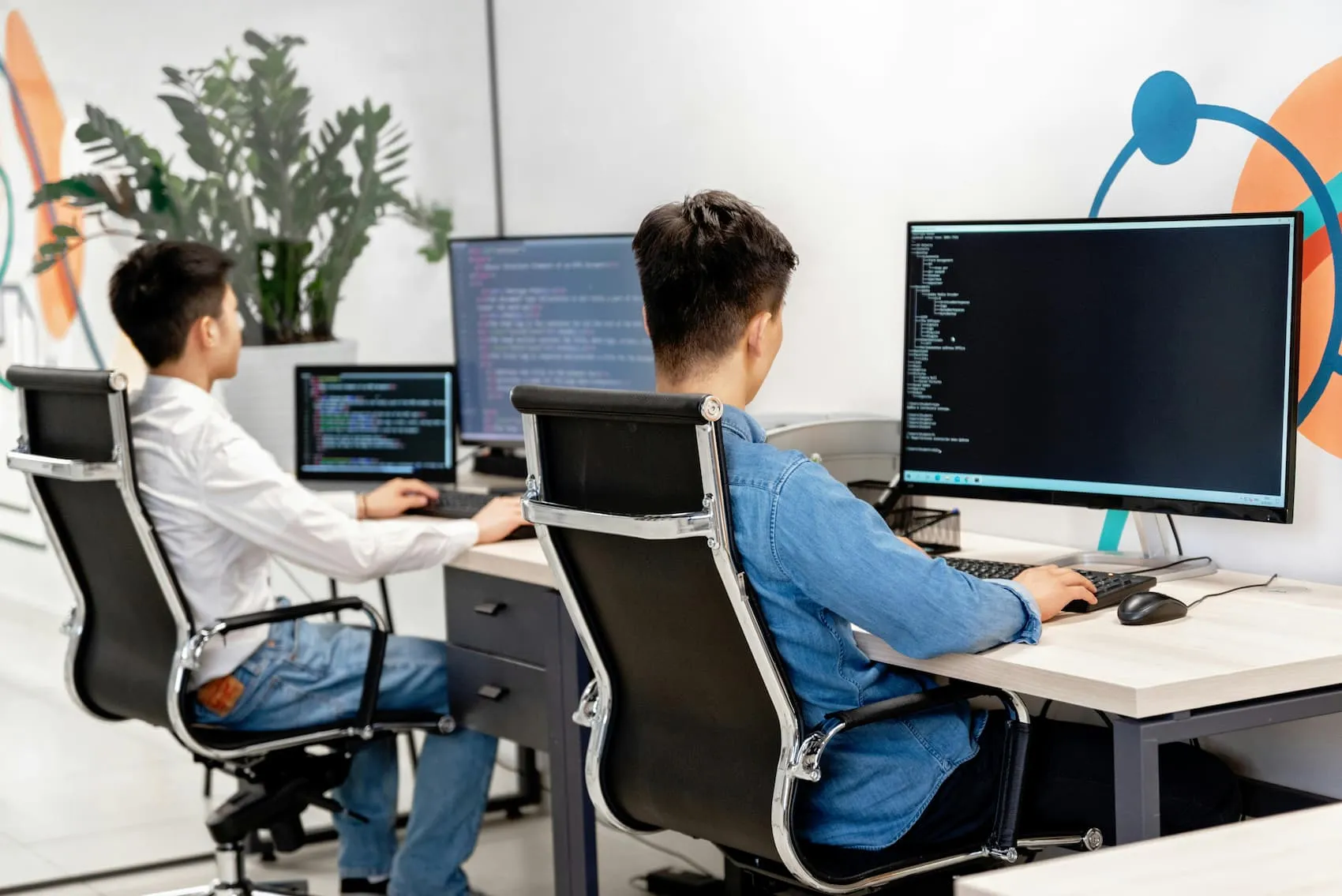
The number of companies tracking their employees significantly increased in the U.S. due to the rise of remote and hybrid work. New Jersey businesses mirror the national trend: they employ tracking tools to enhance work efficiency and safeguard themselves against data leaks and cyberattacks. But how can New Jersey businesses balance the need for monitoring with the demands of data security and employee privacy?
This article examines these two pivotal aspects, offering insights for New Jersey businesses looking to implement or refine their employee monitoring strategies. We'll explore how robust cybersecurity and personal data protection must form the bedrock of any monitoring program, and why a holistic approach, integrating monitoring with access control, isn't just a good idea - it is a necessity for comprehensive security and compliance.
Why Monitor? The Strategic Rationale Behind Employee Oversight
At its core, monitoring is more than simply tracking productivity. This term also encompasses protecting company assets and lowering the risks of breaches and data leaks.
Employee monitoring is a vital component of any security system, protecting confidential data and intellectual property. That is not a surprise, considering that employee mistakes cause or significantly worsen 88% of all data breaches. Specialized Data Leakage Prevention (DLP) software can detect unauthorized file access, suspicious communication patterns, or unusual login behavior before they escalate into full-blown incidents.
Specialized Data Leakage Prevention (DLP) software can detect unauthorized file access, suspicious communication patterns, or unusual login behavior before they escalate into full-blown incidents.
Controlling whether your organization is compliant with regulations is another area where employee monitoring can help. For example, healthcare providers must comply with HIPAA, and financial institutions with FINRA. Some New Jersey companies may even need to consider GDPR if they have European-based employees. Monitoring creates an audit trail and ensures accountability, making it easier to demonstrate compliance.
Managers can use monitoring tools to detect idlers and overloaded employees, reassign workloads, reveal roadblocks, and overall improve work processes. It is not about micromanaging - it is about getting objective information and making more effective decisions.
But with these benefits come challenges. New Jersey has robust labor protections; besides, employees become more and more aware of their privacy rights. These factors make businesses tread more carefully on the monitoring ground. They must balance the amount of necessary oversight and respect for employee privacy and legal regulations.
Cybersecurity and Personal Data Protection: A Non-Negotiable Foundation
Employee monitoring means gathering data, often sensitive. Even if you collect only the strictly necessary data, the resulting digital footprint may be vast: screenshots, email and chat logs, web browsing history, and more. Keeping and securing your employees' personal data is an immense responsibility.
Understanding Digital Footprint
The first step to responsible data handling is to define what data your organization needs to collect and why. This is the principle of data minimisation: collecting only the data that is absolutely necessary to achieve your legitimate business objectives. Do you need to log every keystroke, or will a summary of used apps be enough? Should you log web history if your goal is to track attendance? Asking these questions upfront can save your company from trouble later.
Core Cybersecurity Measures for Monitoring Software
When the scope of the necessary data is defined and monitoring starts, the security of collected information becomes paramount. It should be protected not only from external attacks, but from unauthorized access from inside the company, too. The key aspects of protection are:
- Encryption: The monitoring data should be encrypted both when it moves (using protocols like TLS/SSL) and when it is stored on servers (typically with algorithms like AES-256). Check with your employee monitoring software provider if they encrypt data at rest and in transit.
- Access controls: Who sees the collected data is important. Your monitoring system should have strict Role-Based Access Control (RBAC). It is typically done through creating an admin account and several sub-accounts, for example, for managers to see only their team data.
- Secure storage: Whether you opt for cloud-based or on-premise solutions, ensure the storage environment is secure. This includes secure data centers, regular backups, and a well-defined disaster recovery plan.
- Vulnerability management: No software is unbreachable. That is why you should conduct regular security audits, penetration testing, and update your monitoring tool on time. These measures allow for patching potential vulnerabilities before they can be exploited.
Compliance and Legal Considerations in New Jersey
New Jersey, like many states, has its own legal landscape concerning employee privacy. While specific legal advice should always come from qualified counsel, in this article, we will explore general principles.
In New Jersey, the main regulatory focus in recent years has been on workplace vehicle tracking, electronic communications, video surveillance, and the broader right to employee privacy.
Notice Before Vehicle Tracking (Assembly Bill No. 3950)
As of April 18, 2022, New Jersey employers must provide employees with written notice before using any electronic or mechanical tracking device in a vehicle used by the employee. This applies whether the vehicle is owned by the company or by the employee.
Electronic Communications and Surveillance
The New Jersey Wiretapping and Electronic Surveillance Control Act prohibits the interception of employees' telephone or electronic communications unless at least one party consents. Typically, employers secure this consent through employee policies or handbooks.
While employees have some expectation of privacy, monitoring is often permitted if employees have been notified and the monitoring serves a legitimate business purpose.
Video Surveillance
Organizations can monitor employees in common areas, like offices. But video monitoring is strictly prohibited in places where employees expect privacy, such as restrooms or locker rooms.
The law does not always require notifying employees about video surveillance. However, employers are still recommended to do so.
Monitoring of Email, Internet Use, and Computer Activity
Employers are legally allowed to monitor employee computer usage, including web browsing and emails, if there is a clearly communicated policy.
Personal Social Media Accounts
Some employers believe they have the right to monitor their employees' online behaviour outside work hours or even request access to their personal accounts. This is strictly forbidden under New Jersey law.
As we see, the key to complying with most legal requirements is transparency and a clear monitoring policy. A well-written and well-communicated policy can prevent misunderstandings, manage expectations, and even provide a legal defense should questions arise.
Seamless Integration with Access Control Systems: A Holistic Security Approach
Imagine your security systems not as isolated islands, but as a connected, intelligent network. This is the power of integrating employee monitoring with your access control systems. You can connect the monitoring software reports with data from physical access systems (like badge readers and biometric scanners) and logical access systems (such as network logins and application permissions). Such an approach creates a truly unified defence.
What Does Integration Mean?
Simply put, integration means that data from your employee monitoring system can "talk" to and inform your other security systems. For example, if monitoring flags unusual digital activity by an employee, that information could be correlated with their physical access logs. Did they try to enter the server room at an odd hour? Did they log into a secured system from an unusual location?
Benefits of Integration
The unified approach has significant benefits, such as:
- Better threat detection thanks to correlating data from various sources
- Faster identification of the source and the scope of the breach
- Automated policy enforcement
- A single, consolidated view of employee activity for compliance and investigations
- Managing a unified system instead of multiple disconnected systems reduces administrative loads significantly.
Technical Considerations for Integration
Achieving this seamless integration requires careful planning:
- APIs: Your chosen monitoring and access control solutions must have open APIs (Application Programming Interfaces) and adhere to industry standards to allow for smooth data exchange.
- Data Synchronization: Data needs to flow between systems in real-time or near real-time to be effective. Delays can create security gaps.
- Scalability: As your New Jersey business grows, your integrated security solution must be able to scale with it, accommodating more employees, locations, and data points without losses in performance.
- Integrations: Prioritize solutions from vendors who actively promote and support integration with other security platforms.
Best Practices for Implementing and Maintaining Monitoring Software
Many business owners think that implementing employee monitoring is simply installing the software on the office computer. In practice, this process is more complex, requires careful preparation, and does not end when you hit "Finish" in the installation wizard.
Always be upfront with your employees about monitoring - transparency should be your priority. Employees should be aware of why they are monitored, what activities the software records, who can see their data, and what rights they have regarding it. The answers to these questions should also be put down in a clear monitoring policy. This policy must be easily accessible at any time.
Monitoring practices can and should be changed over time. Regulations and your organization's policies change, and older approaches to tracking become less effective. That is why you need to review your monitoring practices regularly and check if they are compliant and effective. Remember the initial objectives. Monitoring must always be proportionate to your monitoring goals without getting too intrusive.
Finally, employees must be trained on data security in general. A well-informed workforce is your first line of defense.
Conclusion
Today, employee monitoring is more than a performance management tool. It is an important element of the company's security system and a compliance tool.
Employee monitoring can work even better if it is integrated with access control systems. But regardless of how it is used, it should be used transparently, and the collected monitoring data should be properly secured. To leaders looking to implement or already using monitoring: consult with legal and cybersecurity experts, invest in secure, scalable solutions, and always communicate with clarity and empathy. Done right, employee monitoring strengthens your organization, both operationally and culturally.
Let's move beyond fear-driven oversight and toward intelligent, integrated, and respectful monitoring.